Oracle Health
Human Centric Design + AI
Companies are wanting AI in every product, whether it benefits the user or not. They’re so focused on AI and keeping up with the latest trends that they’re forgetting about the user experience itself. AI should be used to automate and assist, not simply exist for the sake of innovation.
As a User Experience Designer, I continue to design for humans first. I leverage AI throughout my design process and implement it into my designs when it meaningfully supports user goals.
I believe AI should enhance human-centered design, not remove the human from it.
Resource Management
Ask Oracle Initiated Resource Blocking
User Goal
As a doctor, I need the ability to place blocks on my calendar so affected appointments can be rescheduled in a timely manner and additional appointments cannot be scheduled during that time.
Today’s Pain Points
Currently, clinicians must request calendar blocks through a practice manager. Because these requests are communicated through various, non-standardized methods, practice managers often face challenges tracking which clinicians need blocks added and ensuring requests are completed accurately and on time.

When a user selects a resource block in Resource Management, a right-hand drawer opens to display the block details. From this panel, users can also edit the resource block as needed.
A tool that gives Practice Managers visibility into the schedules of clinic resources including clinicians, locations, and equipment. Allowing them to efficiently monitor availability, manage scheduling conflicts, and optimize daily operations.
My Involvement
Owned the project from discovery through delivery, leading the end-to-end design process.
Collaborated closely with Product Owners and Development to ensure the solution met user needs while leveraging existing coded components to support consistency and efficient implementation.
Partnered closely with our Human Factors Research team throughout the project, iterating on designs based on user feedback and validating solutions through multiple rounds of user research.
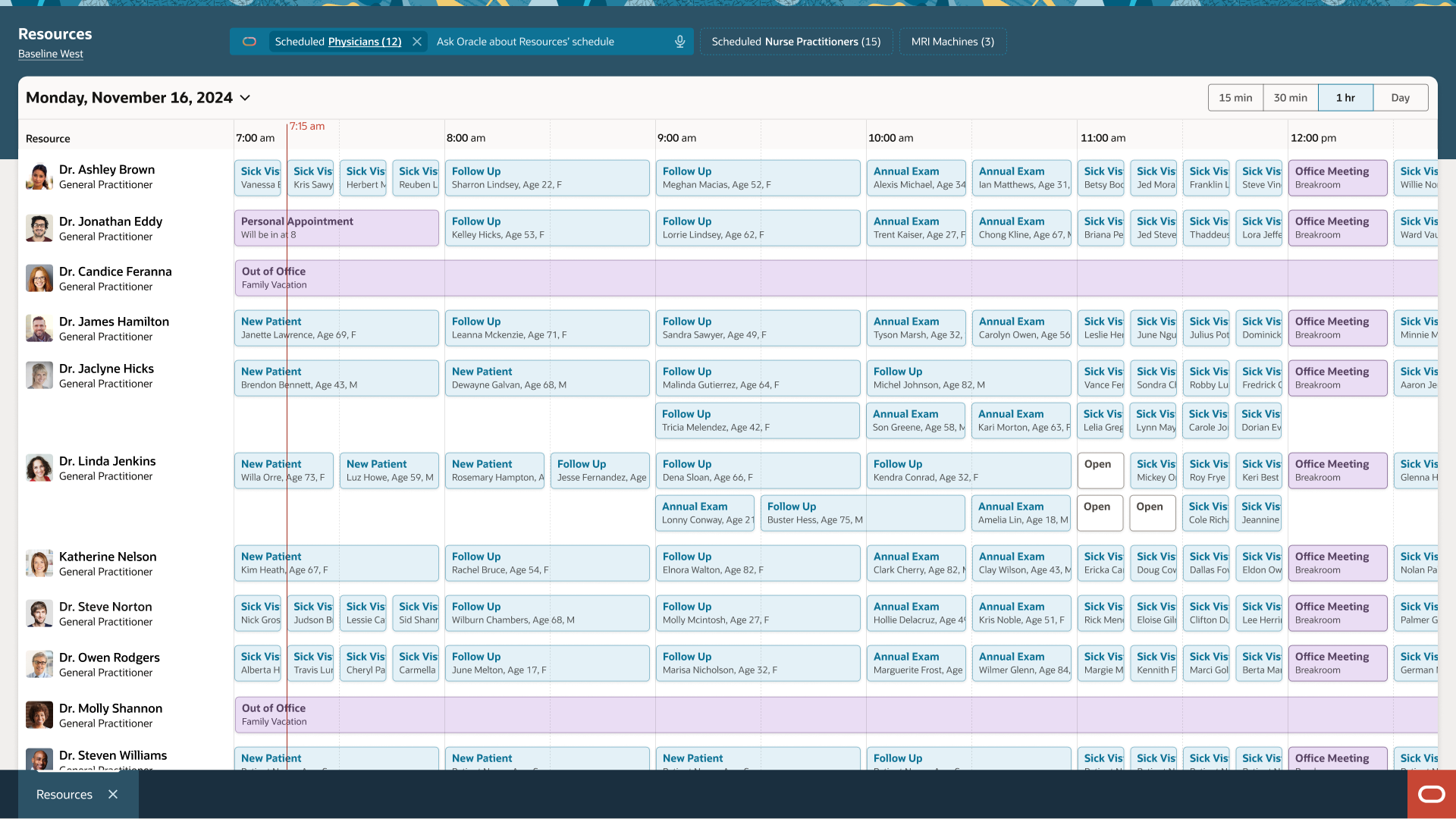
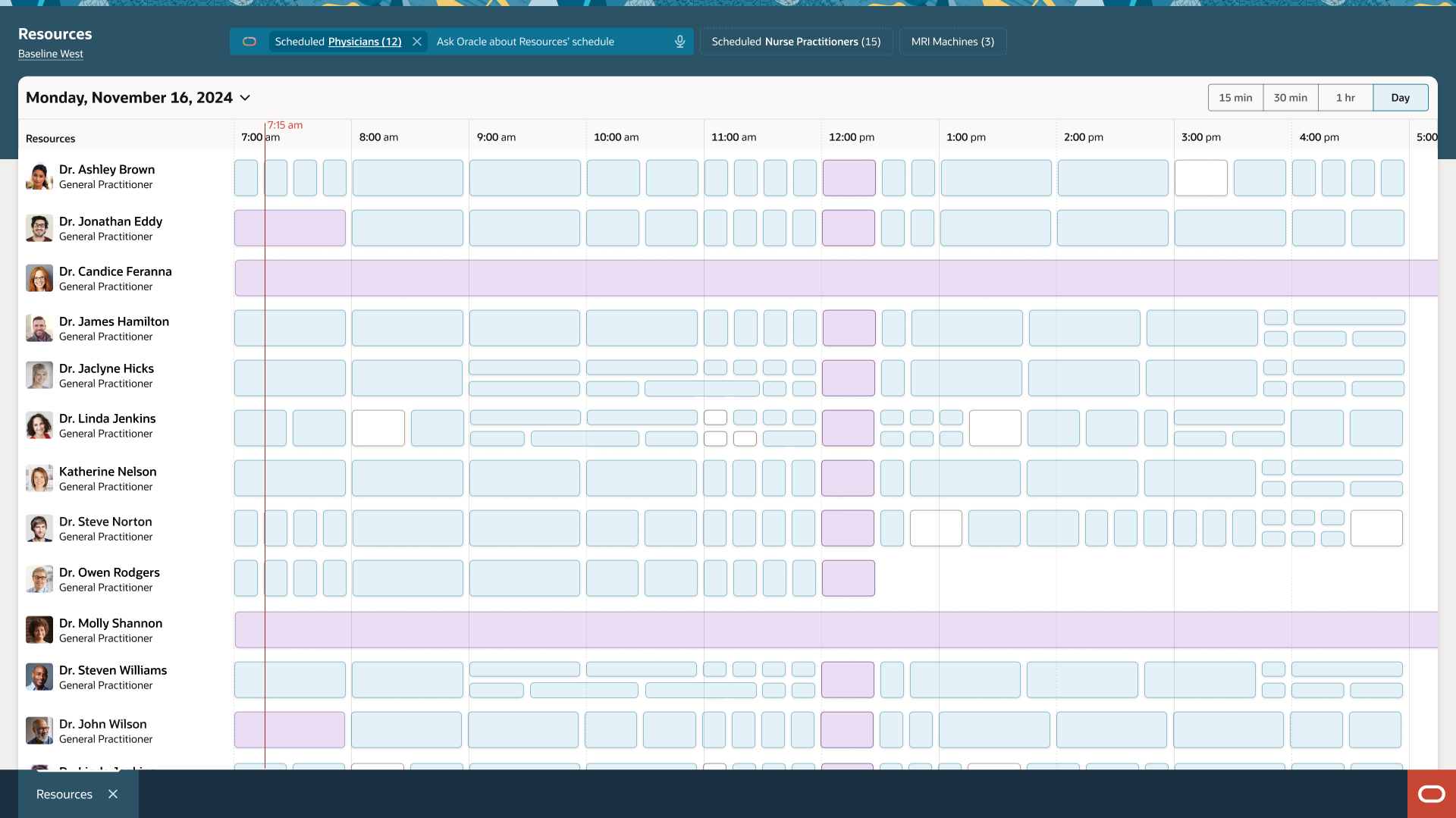
Resource Management offers four different time views, allowing users to toggle between them to display varying levels of detail.
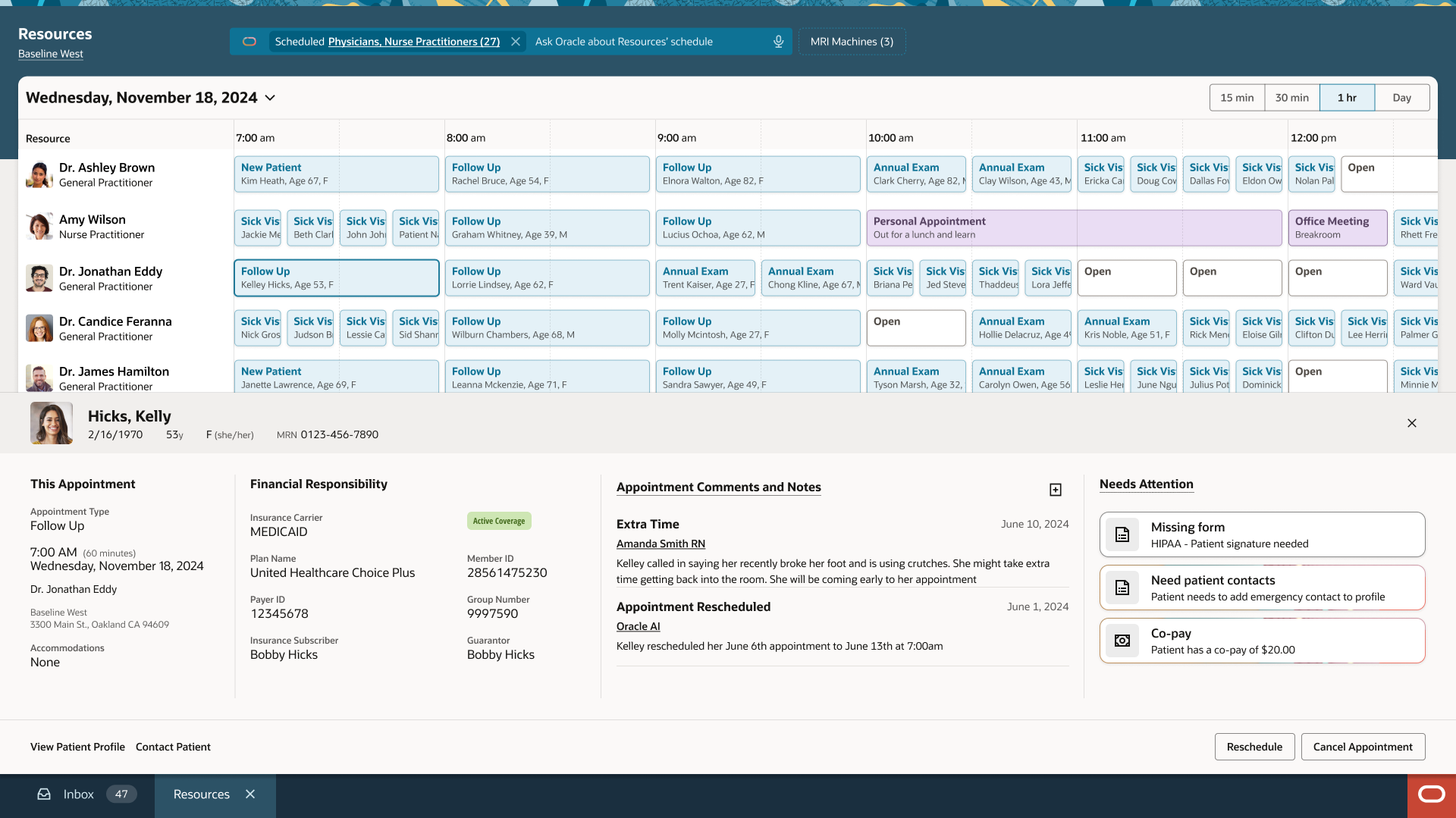
When a user selects an appointment card in Resource Management, a bottom drawer opens to display additional details about the appointment.
Innovation Opportunities
By enabling clinicians to directly manage schedule blocks, organizations can eliminate communication gaps between clinicians and practice managers. This allows clinicians to make immediate updates as their availability changes, reducing delays and improving schedule accuracy.
Patient Profile
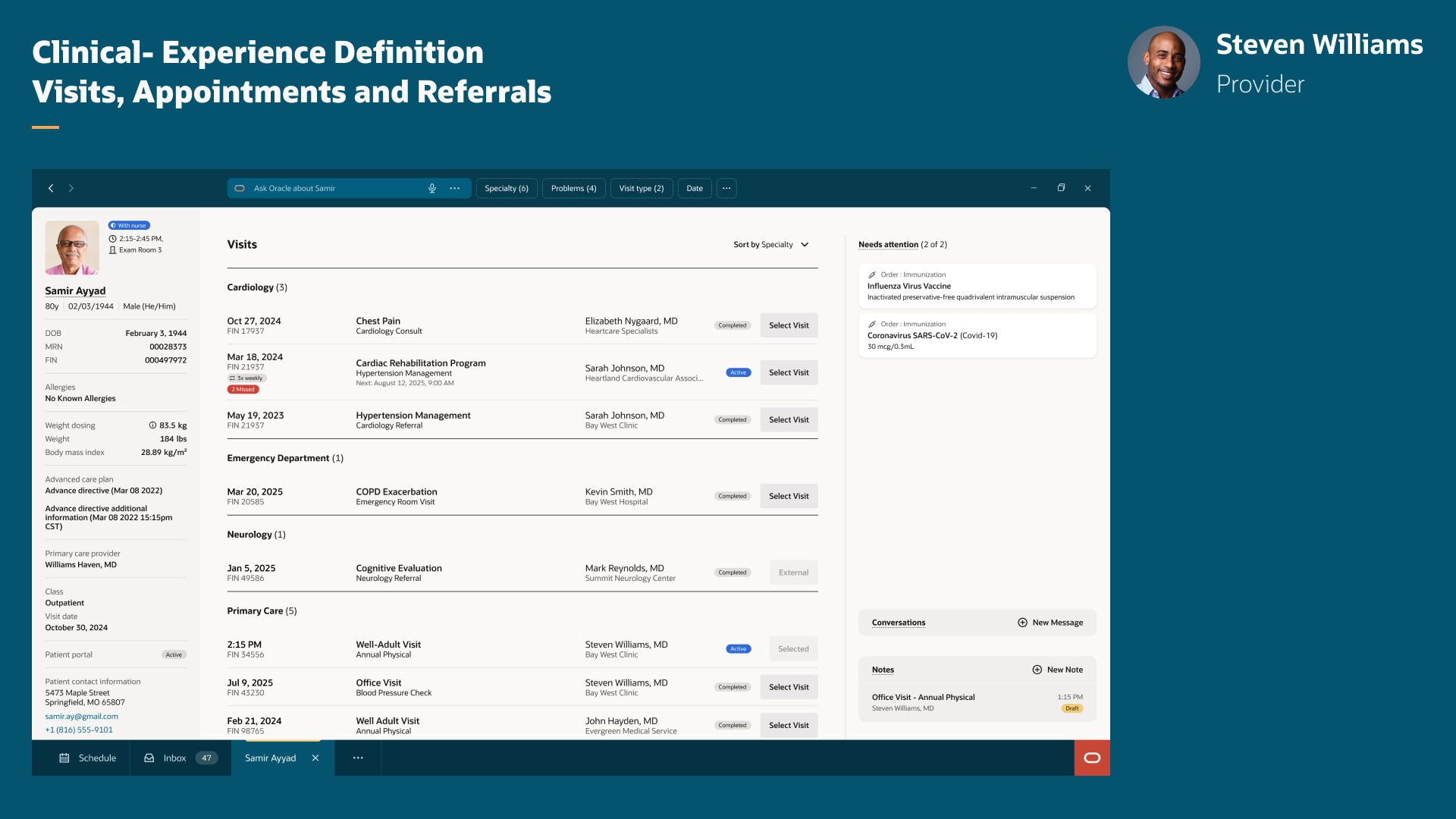
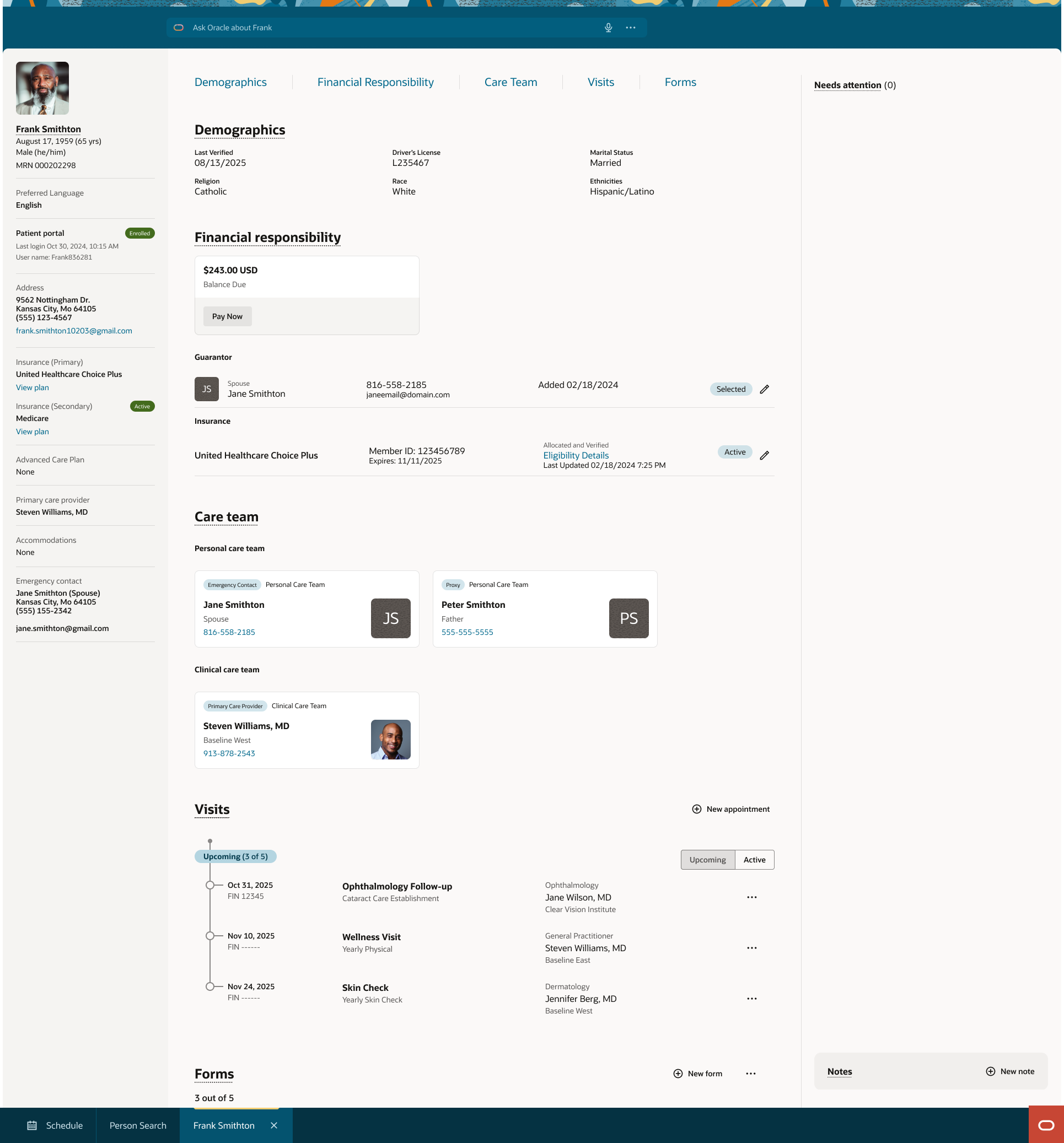
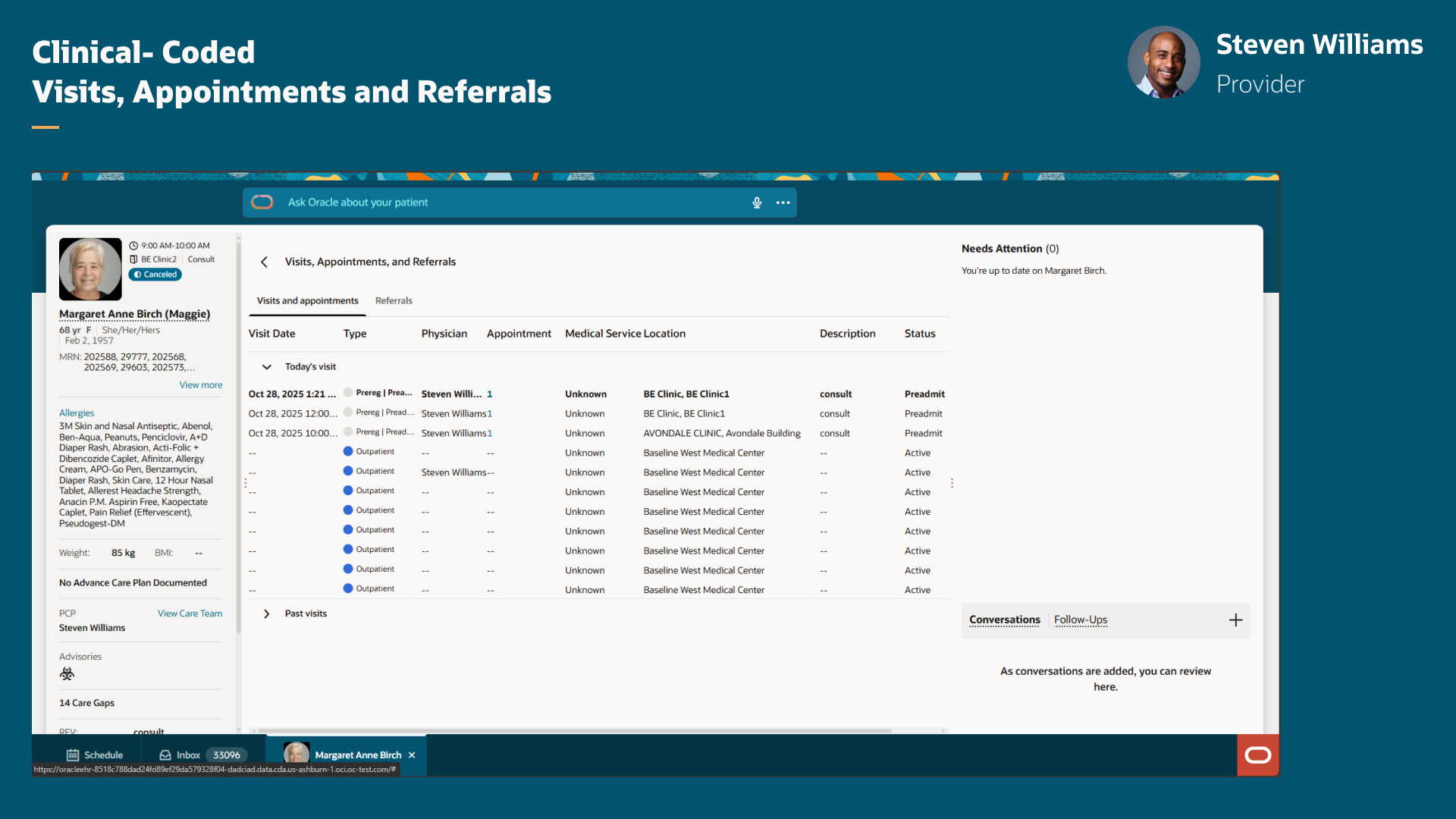
The PAS Patient Profile was built without UX involvement and surfaced to upper management after implementation, at which point it was escalated to the User Experience team as a top priority.
Challenges
Multiple development teams across different business groups were independently working on similar solutions, resulting in duplicated effort and inconsistent user experiences.
To address this, I identified the various teams involved, along with their respective users and goals. I facilitated cross-functional discussions to align on workflows, uncover shared requirements, and incorporate key use cases from each group. This collaborative approach enabled the organization to build a single, scalable solution that met the needs of all stakeholders while reducing redundant development efforts.